

- 10 Dec 2025
- - Charlie
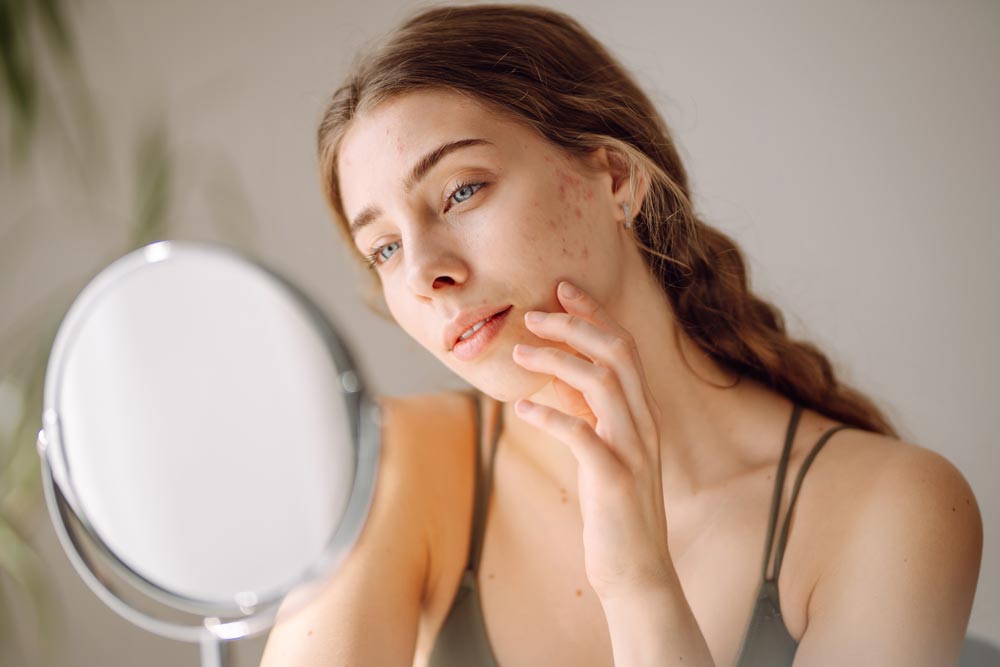
Adult acne affects up to one-third of 35-year-old Finnish women
Adult acne is more common than often assumed. According to research from the University of Oulu, around 31 per cent of 35-year-old Finnish women have acne on the face or back. Yet many do not recognise their symptoms and acne frequently remains untreated.
The study involved almost 1,900 women, each of whom had their face and back photographed without make-up. Dermatologists assessed the presence and severity of acne on the basis of the images.
Acne was most commonly found on the face, affecting 26 per cent of participants. About 12 per cent had acne on the back, and 6 per cent had both facial and back acne.
Facial symptoms were particularly concentrated in the lower parts of the face, most commonly on the chin and cheeks.
“The results show that acne is not confined to the face, as back acne is surprisingly common. However, it may easily go unnoticed unless the patient is undressed for examination or mentions it themselves. Skin changes on the back may be mistaken for harmless heat spots, even though they are often acne. Both facial and back acne can lead to permanent scarring if left untreated,” says Suvi-Päivikki Sinikumpu, specialist in dermatology and allergology.
Most acne cases in the study were mild, but more than one in ten participants also had a moderate form. Only very few had severe acne.
Many do not recognise their acne
According to the study, participants had poor awareness of their own acne. Only about one-third of the women whose acne was identified by a doctor reported experiencing it themselves. Recognition was even lower in cases of back acne.
This was also reflected in treatment behaviour: both over-the-counter and prescription acne medications were reported to be used only sparingly. Oral antibiotics and isotretinoin were used very rarely even for more severe types of acne, despite being proven effective and safe treatments.
According to the researchers, poor symptom recognition may partly explain why adult acne is often left untreated.
Related Career Advice
- 10 Dec 2025
- - Charlie
Adult acne affects up to one-third of 35-year-old Finnish women
Adult acne is more common than often assumed. According to research from the University of Oulu, around 31 per cent of 35-year-old Finnish women have acne on the face or back. Yet many do not recognise their symptoms and acne frequently remains untreated.
The study involved almost 1,900 women, each of whom had their face and back photographed without make-up. Dermatologists assessed the presence and severity of acne on the basis of the images.
Acne was most commonly found on the face, affecting 26 per cent of participants. About 12 per cent had acne on the back, and 6 per cent had both facial and back acne.
Facial symptoms were particularly concentrated in the lower parts of the face, most commonly on the chin and cheeks.
“The results show that acne is not confined to the face, as back acne is surprisingly common. However, it may easily go unnoticed unless the patient is undressed for examination or mentions it themselves. Skin changes on the back may be mistaken for harmless heat spots, even though they are often acne. Both facial and back acne can lead to permanent scarring if left untreated,” says Suvi-Päivikki Sinikumpu, specialist in dermatology and allergology.
Most acne cases in the study were mild, but more than one in ten participants also had a moderate form. Only very few had severe acne.
Many do not recognise their acne
According to the study, participants had poor awareness of their own acne. Only about one-third of the women whose acne was identified by a doctor reported experiencing it themselves. Recognition was even lower in cases of back acne.
This was also reflected in treatment behaviour: both over-the-counter and prescription acne medications were reported to be used only sparingly. Oral antibiotics and isotretinoin were used very rarely even for more severe types of acne, despite being proven effective and safe treatments.
According to the researchers, poor symptom recognition may partly explain why adult acne is often left untreated.
- 10 Dec 2025
- - Charlie
Adult acne affects up to one-third of 35-year-old Finnish women
Adult acne is more common than often assumed. According to research from the University of Oulu, around 31 per cent of 35-year-old Finnish women have acne on the face or back. Yet many do not recognise their symptoms and acne frequently remains untreated.
The study involved almost 1,900 women, each of whom had their face and back photographed without make-up. Dermatologists assessed the presence and severity of acne on the basis of the images.
Acne was most commonly found on the face, affecting 26 per cent of participants. About 12 per cent had acne on the back, and 6 per cent had both facial and back acne.
Facial symptoms were particularly concentrated in the lower parts of the face, most commonly on the chin and cheeks.
“The results show that acne is not confined to the face, as back acne is surprisingly common. However, it may easily go unnoticed unless the patient is undressed for examination or mentions it themselves. Skin changes on the back may be mistaken for harmless heat spots, even though they are often acne. Both facial and back acne can lead to permanent scarring if left untreated,” says Suvi-Päivikki Sinikumpu, specialist in dermatology and allergology.
Most acne cases in the study were mild, but more than one in ten participants also had a moderate form. Only very few had severe acne.
Many do not recognise their acne
According to the study, participants had poor awareness of their own acne. Only about one-third of the women whose acne was identified by a doctor reported experiencing it themselves. Recognition was even lower in cases of back acne.
This was also reflected in treatment behaviour: both over-the-counter and prescription acne medications were reported to be used only sparingly. Oral antibiotics and isotretinoin were used very rarely even for more severe types of acne, despite being proven effective and safe treatments.
According to the researchers, poor symptom recognition may partly explain why adult acne is often left untreated.
